
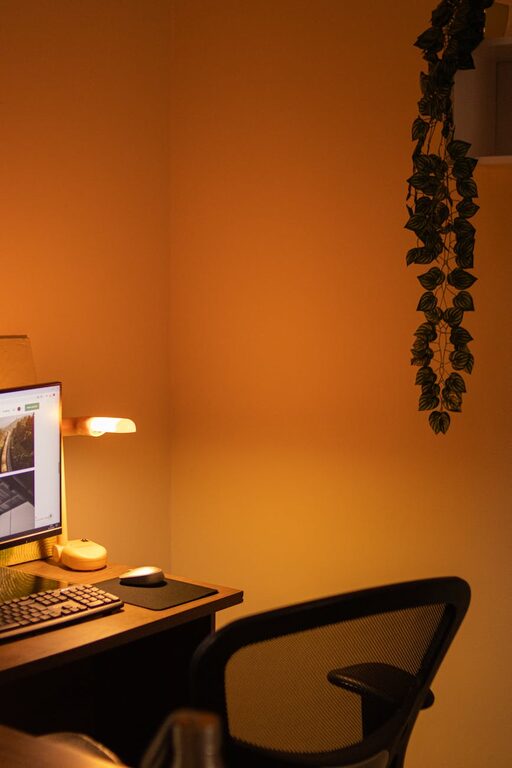
Creating a cozy and inviting home office space is more important than ever. As many people spend more time working from home, having a comfortable and well-organized workspace can improve both productivity and well-being. Whether you have a dedicated room or just a small corner, you can turn it into a place that feels welcoming and inspires focus. Here, we’ll explore practical tips to help you design the perfect home office environment.
1. Choose the Right Location
Selecting the ideal spot for your home office is the first step. Consider these factors:
– Natural Light: Position your workspace near a window to enjoy natural sunlight, which can boost mood and energy.
– Quiet Area: Find a quiet corner away from household noise to minimize distractions.
– Space: Make sure there is enough room for your desk, chair, and any necessary equipment without feeling cramped.
If you lack a spare room, even a small nook or a section of a room can be transformed into a productive space with the right setup.
2. Invest in Comfortable Furniture
Comfort is key when setting up a home office. Spending long hours at a desk requires ergonomic furniture to support your posture and reduce strain.
– Ergonomic Chair: Choose a chair with good lumbar support, adjustable height, and a comfortable seat.
– Desk: Select a desk with enough surface area to hold your computer, paperwork, and other items. Consider adjustable or standing desks to vary your working position.
– Footrest: A footrest can provide additional comfort, especially if your feet don’t touch the ground when seated.
Comfortable furniture makes a big difference in how long you can work efficiently without fatigue.
3. Personalize Your Space with Decor
Adding personal touches makes your office more inviting. Here are some ideas for cozy decor:
– Warm Colors: Use soft, warm tones for wall paint, rugs, or curtains to create a soothing atmosphere.
– Plants: Indoor plants improve air quality and add a natural, calming element to your workspace.
– Artwork: Hang up artwork or inspirational prints that motivate and uplift.
– Soft Textiles: Incorporate cushions, a throw blanket, or a rug to add texture and softness, making your office feel more like home.
Avoid cluttering your space but do add a few items that make you smile or feel relaxed.
4. Optimize Lighting
Lighting plays a crucial role in setting the mood and maintaining focus.
– Natural Light: As mentioned, maximize daylight if possible.
– Task Lighting: Use a desk lamp with adjustable brightness and direction to reduce eye strain.
– Ambient Lighting: Complement task lighting with warm overhead or floor lamps to create a balanced light environment.
– Avoid Glare: Position screens and lights to prevent glare on your monitor or papers.
Good lighting helps reduce fatigue and enhances your workspace comfort.
5. Keep Your Office Organized
An organized space feels more inviting and helps maintain focus.
– Storage Solutions: Use shelves, drawers, or filing cabinets to keep supplies tidy.
– Desk Organizers: Trays, pen holders, and cable organizers reduce clutter on your desk.
– Digital Organization: Keep your computer files and emails organized to minimize digital stress.
– Regular Decluttering: Set aside time weekly to tidy your office and remove unused items.
An orderly environment lessens distractions and makes it easier to find what you need.
6. Incorporate Technology Thoughtfully
Technology is vital but should not overwhelm your space.
– Essential Equipment Only: Choose gadgets you truly need, such as a reliable computer, printer, or headset.
– Cable Management: Use clips or sleeves to tidy cables and prevent tangles.
– Wireless Devices: Consider wireless keyboards or mice to reduce clutter.
– Charging Station: Create a dedicated area for charging phones and other devices.
Keeping technology organized supports a cleaner, more inviting workspace.
7. Enhance Comfort and Wellness
Your physical and mental wellness matter in your home office.
– Temperature Control: Use fans, heaters, or open windows as needed to maintain a comfortable temperature.
– Air Quality: Keep your space ventilated or use an air purifier to ensure fresh air.
– Break Area: Include a small spot for stretching or short breaks if space allows. This can be as simple as a chair or floor mat.
– Hydration: Keep a water bottle nearby to stay hydrated throughout the day.
Taking care of your comfort helps sustain productivity and reduces stress.
8. Set Boundaries Between Work and Home
Creating a psychological boundary between work and home life is important, especially in a home office.
– Visual Limits: Use room dividers, curtains, or furniture arrangement to separate your workspace.
– Consistent Hours: Set regular working hours and stick to them.
– Clear Signals: Let family members or roommates know your work schedule to minimize interruptions.
– End-of-Day Routine: Close your laptop and tidy your desk to signal the end of the workday.
Boundaries help maintain balance and prevent burnout.
—
By applying these tips, you can create a home office that feels cozy, inviting, and tailored to your needs. A well-designed workspace not only makes work more enjoyable but also supports productivity and well-being. Remember, the best home office reflects your personality while being practical and comfortable. Happy decorating!