
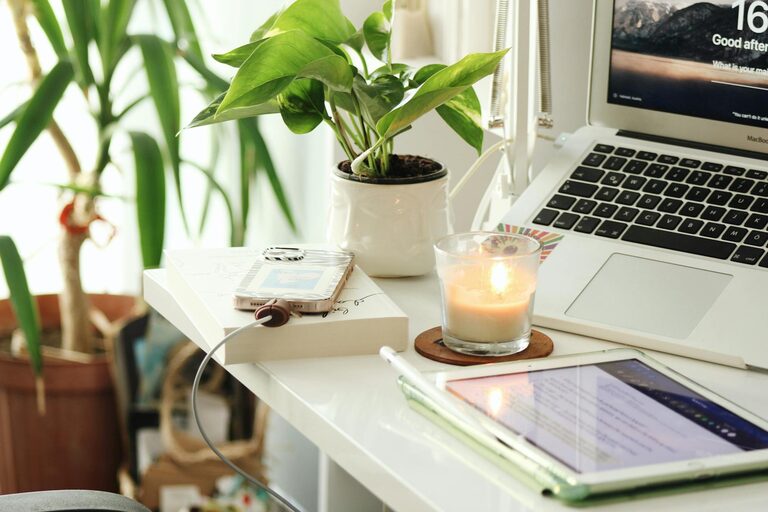
Creating a well-organized home office can significantly improve your productivity and make working from home more enjoyable. Whether you have a dedicated room or just a small corner, setting up an efficient workspace is essential. In this guide, we’ll walk you through practical tips to organize your home office for maximum focus and comfort.
Choose the Right Location
Finding the ideal spot for your home office is the first step in creating a productive environment.
– Natural Light: Select a place near a window if possible. Natural light boosts mood and reduces eye strain.
– Quiet Area: Choose a space away from household noise and distractions.
– Dedicated Space: Even a small corner works, but keep it just for work to help separate your professional and personal life.
Invest in Functional Furniture
Comfort and functionality go hand in hand when choosing furniture for your home office.
– Ergonomic Chair: A supportive chair helps prevent back pain during long work hours.
– Desk Size: Opt for a desk large enough for your computer, paperwork, and supplies without feeling cluttered.
– Storage Solutions: Desks with drawers or nearby shelves help keep essentials within reach but out of sight.
Declutter and Organize Regularly
A tidy workspace helps clear your mind and keep focus.
– Minimal Essentials: Only keep items you use daily on your desk.
– Use Organizers: Drawer trays, file holders, and desktop organizers can keep small items neat.
– Daily Clean-Up: Spend a few minutes at the end of each day tidying up to maintain order.
Optimize Your Technology Setup
A smooth digital workspace reduces frustration and improves efficiency.
– Cable Management: Use clips, sleeves, or cable boxes to prevent tangled cords.
– Monitor Placement: Position your monitor at eye level to reduce neck strain.
– Keyboard and Mouse: Invest in comfortable peripherals to support longer typing sessions.
Enhance Lighting and Ambience
Good lighting helps prevent fatigue and creates an inviting workspace.
– Layered Lighting: Combine natural light, overhead fixtures, and task lamps.
– Adjustable Lamps: Position lamps to avoid glare on screens and provide focused light where needed.
– Personal Touch: Add plants, art, or inspirational items to make your space pleasant without distracting.
Establish Work Zones
Dividing your workspace into zones can help streamline tasks.
– Computer Zone: For focused screen work.
– Writing or Review Zone: A flat surface for paper documents or brainstorming.
– Storage Zone: Shelves or drawers for supplies and files.
This separation helps keep your desk organized and your mind focused on each task.
Implement Time-Management Tools
Keeping track of tasks supports productivity and organization.
– Planners or Calendars: Use a physical or digital planner to schedule work.
– To-Do Lists: Keep a running list of tasks to prioritize your day.
– Timers: Use techniques like the Pomodoro method to balance focused work and breaks.
Maintain Good Habits
Beyond organizing your space, habits contribute to ongoing productivity.
– Set a Schedule: Stick to consistent work hours to create routine.
– Take Breaks: Step away from your desk periodically to rest your eyes and stretch.
– Limit Distractions: Silence notifications and set boundaries with others at home.
Conclusion
Organizing a productive home office space is about creating a comfortable, functional, and inspiring environment. With thoughtful location selection, ergonomic furniture, decluttering, optimized technology, and good habits, you can design a workspace that supports your best work every day. Start with these tips to transform your home office into a place where productivity thrives.